Building Cyber Code Academy: A "Pure Vibe Coding" Experiment
Search for a command to run...
No comments yet. Be the first to comment.
and why it took two completely different approaches to get it right.

Following the Trail from the Cultura & FFT Breaches to SendGrid Abuse

Beyond the single-model myth: Implementing intelligent multi-agent routing and DAG workflows with AI Dispatch.
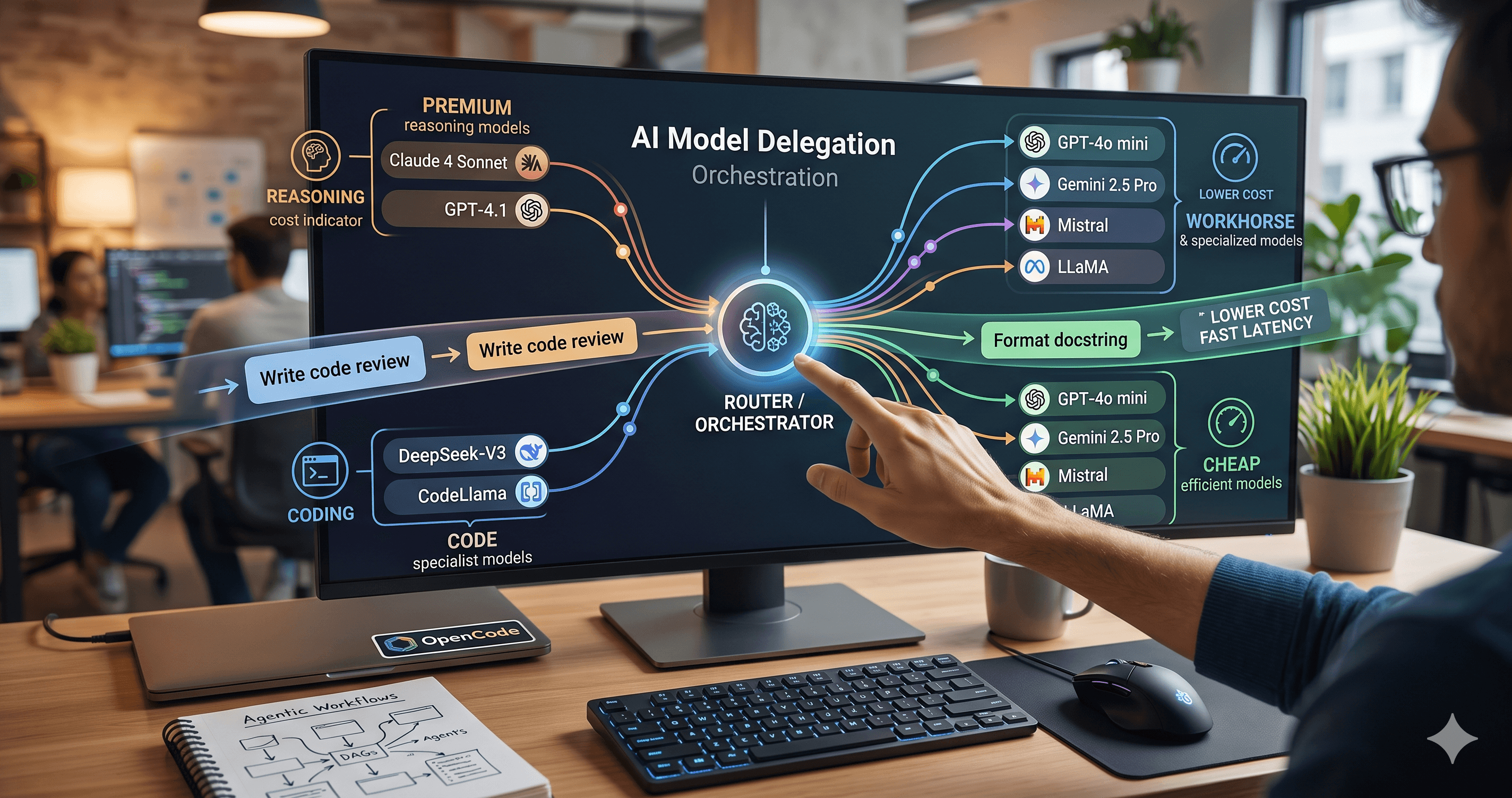
Introduction: The Black Box of AI Code Generation When you ask GitHub Copilot to write a function, refactor a module, or explain a complex piece of code, the response you get is the output of a probab

How we built a proxy-driven, benchmark-validated ecosystem for LLMs, and why your company's MCP servers and SKILLS should come with unit tests
My son just started learning Python at school here in France. Python! When I was his age, we were coding in Basic, then Pascal. Times have changed, and so has the way kids learn to code.
That got me thinking: what if I built something that could help him (and other teenagers) learn Python in a fun, interactive way? Something that feels more like a game than homework. So I did just that.
I created Cyber Code Academy - an interactive Python learning platform where students can solve challenges, compete in real-time battles, and learn through gamified experiences. It features:
100+ Python challenges from beginner to expert level
Real-time competitive battles against other learners
AI-powered problem generation
Built-in code editor with instant execution in the browser
Progress tracking with XP, levels, and leaderboards
Achievement badges and learning paths
Tech stack: Next.js 14, FastAPI, PostgreSQL, Redis, and Docker for isolated code execution.
You can try it out here: https://play.pygame.ovh/

Here's where it gets interesting. I built this entire project using what I call "pure vibe coding" - working entirely with Cursor and GitHub Copilot. No rigid planning, no extensive documentation upfront. Just flow, intuition, and AI assistance.
The result? A fully functional platform that went from idea to production faster than I ever thought possible (5 days). The AI tools didn't just help with code - they accelerated every aspect of development: stack and libs choice, bug fixing, testing, ...
But here's the kicker: even the documentation was fully AI-generated. Every page, every section, every explanation - and yes, even the screenshots - were created by AI. Check it out: https://play.pygame.ovh/docs/index.html

It's a complete end-to-end AI-assisted development story: code, documentation, and visuals. In a future post, I'll dive deeper into the actual workflow and methodology behind this approach (because let's be honest, "pure vibe" sounds cool but there's definitely a method to the madness).
Primarily, I built this for teenagers like my son who are learning Python at school. But honestly? It's for anyone who wants to learn or practice Python. It's completely free, no strings attached.
It's designed as a simple "game" to learn code interactively. No personal data collected - just a username (and who cares about that, right? :P). The focus is purely on learning and having fun while doing it.
Why Python? Because that's what French schools are teaching now. No idea why this choice, but here we are. Python it is!
One of the most fascinating things I noticed during development: security seemed to be auto-managed even when I didn't explicitly specify it. The AI tools, combined with modern frameworks and best practices, naturally implemented security measures I hadn't consciously planned for.
This got me curious. So here's an open invitation to the skilled developers and security researchers out there: try to hack it. Seriously. Give it your best shot, and then tell me:
How you did it
What happened
What you found
I'm genuinely interested in understanding how security emerged organically in this "pure vibe" approach. It's a learning opportunity for all of us.
The code exists on GitHub, but I haven't published it yet. I want to clean it up first, make it more presentable. But if there's interest, I'm happy to share it. I'm also open to feedback.
This is meant to be a community project - a tool for learning, built with modern AI assistance, and open to improvement.
Head over to https://play.pygame.ovh/ and give it a spin. Whether you're a teenager learning Python, a developer looking to practice, or someone curious about what "pure vibe coding" can produce - you're welcome.
Share your feedback, report bugs, suggest features. And if you're one of those skilled hackers I mentioned earlier? Well, you know what to do. 😉
P.S. - For those interested in the technical details and workflow behind this "pure vibe coding" approach, stay tuned. I'll be sharing a more detailed post on the methodology soon.